


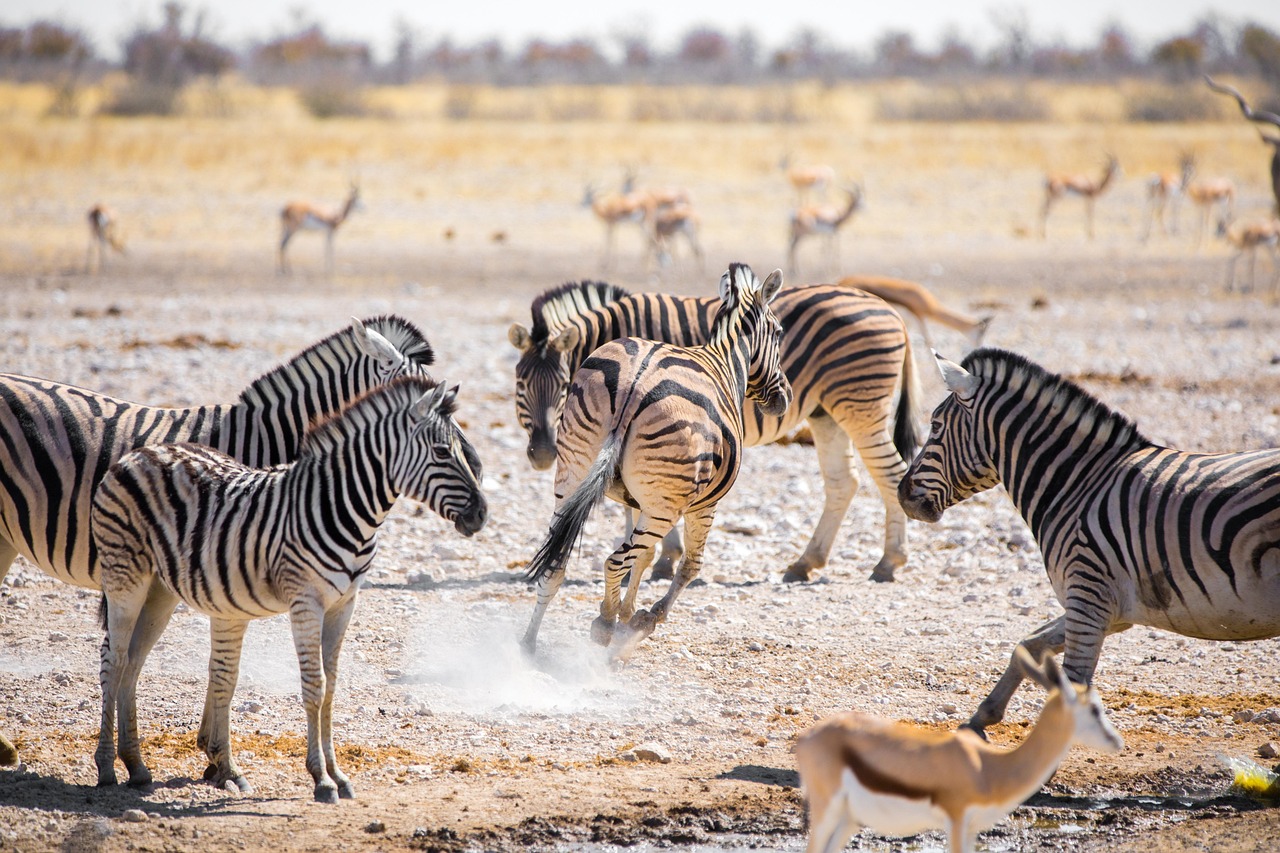
When it comes to sparking curiosity, few brands carry the weight of National Geographic. For children, that mission takes shape in National Geographic Kids, a platform that combines education with adventure. This review explores how it turns learning into play, bringing science, geography, and culture into homes and classrooms in a way that feels accessible and exciting.
TL;DR
- Magazine Subscription: Engaging print and digital issues packed with wildlife facts, world wonders, and kid-friendly stories that make education entertaining.
- Kids Club: Provides activities, challenges, and member perks that encourage children to become active explorers of their own world.
- Games and Quizzes: Fun, interactive tools that mix play with learning, helping kids absorb knowledge without feeling like schoolwork.
- School Resources: Offers teachers lesson materials, ideas, and projects that align with classroom learning while keeping students motivated.
- Competitions and Events: Opportunities for children to take part in creative challenges, building confidence and celebrating achievements.
- Sustainability Hub: Inspires eco-awareness through resources that encourage kids to understand the planet and take steps to protect it.
View all services on National Geographic Kids
Making Learning Feel Like An Adventure
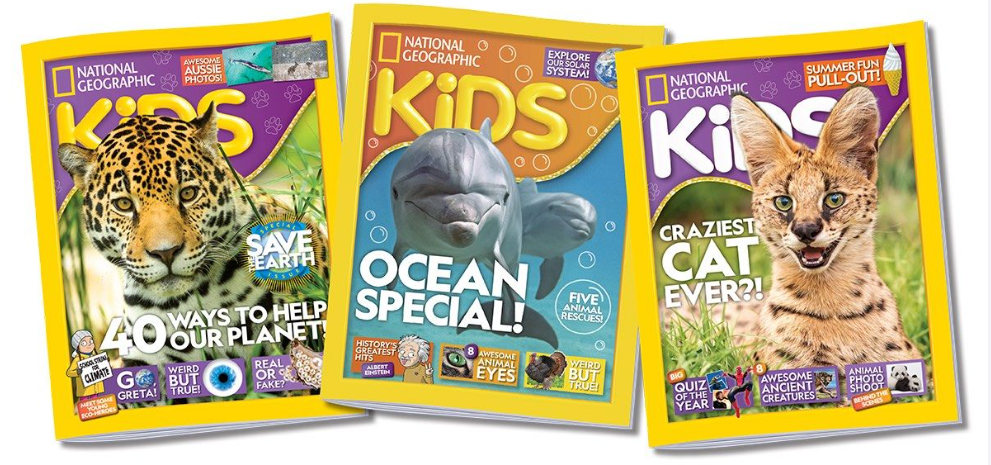
National Geographic Kids stands out because it removes the traditional divide between education and fun. Instead of presenting science or history as distant concepts, it creates vivid, bite-sized stories that children want to return to again and again. The magazine itself is a great example, packed with animals, world facts, puzzles, and activities that turn information into play.
For parents, the value is clear. Subscriptions mean that learning resources arrive regularly, sparking ongoing curiosity rather than one-off interest. The bright visuals and engaging tone invite children to learn independently while still being supported.
Exploring The World Through Play
A big part of National Geographic Kids’ success is its ability to use games and interactive content as teaching tools. The online games and quizzes make it easy for children to test what they know while having fun. This helps kids engage with topics in a more hands-on way, reinforcing learning without the pressure of formal tests.
The Kids Club offers another layer of engagement, giving young readers a sense of belonging and the chance to participate in challenges. These experiences transform passive reading into active exploration, encouraging curiosity outside of school hours.
Supporting Teachers And Classrooms
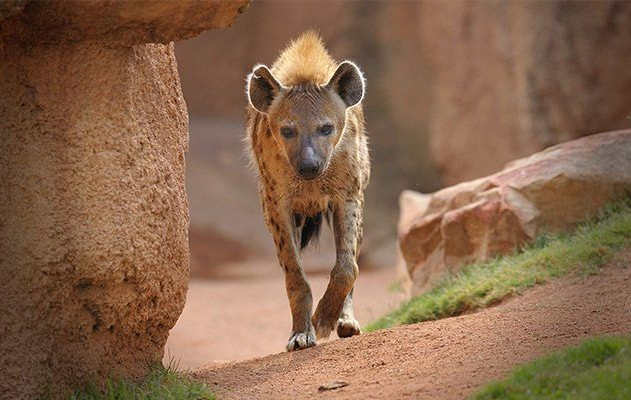
National Geographic Kids also recognises that learning does not stop at home. For schools, the platform provides teaching resources and lesson plans that align with classroom objectives. These tools bring the brand’s trusted content into education settings, helping teachers inspire students with reliable, well-designed materials.
Competitions and events extend this reach further. By inviting children to contribute to creative challenges, the brand gives them opportunities to express ideas and be celebrated. It is an effective way to foster confidence while tying lessons to real-world applications.
Why Sustainability Matters To The Mission
One of the most impactful aspects of National Geographic Kids is its sustainability hub. The platform introduces eco-awareness in a way that feels age-appropriate, encouraging kids to think critically about their environment. Articles and resources on topics like recycling, biodiversity, and conservation give children tools to connect big global issues with everyday choices.
This approach ensures that young readers are not only absorbing facts but also developing values around responsibility and care for the planet. Parents and teachers can use this content as a starting point for meaningful conversations about environmental impact.
Closing Thoughts On National Geographic Kids
National Geographic Kids proves that learning can be adventurous, playful, and inspiring. By blending magazines, interactive games, clubs, and classroom resources, it builds a full ecosystem where children can explore, create, and connect with the world around them.
The platform’s strength lies in its ability to make complex subjects approachable without losing depth. Whether through competitions, sustainability lessons, or vivid storytelling, it positions knowledge as something exciting to uncover.
For families and schools alike, National Geographic Kids is not just another educational brand. It is a gateway to discovery and a reminder that learning is most powerful when it feels like fun.