



Most people only notice supply chains when something goes wrong. A delayed shipment, empty shelves, rising costs, or a package that somehow travels across three countries before reaching the correct address suddenly reminds everyone how much modern businesses depend on logistics actually functioning properly. The challenge is that global supply chains have become dramatically more complex over the last few years. Businesses now need faster delivery expectations, better visibility, tighter inventory control, and flexible freight solutions all at once. That’s exactly where Hobbs Global positions itself. Instead of treating logistics as a simple transport service, Hobbs Global approaches supply chain management as a system that needs coordination, adaptability, and real operational support behind the scenes.
Why Logistics Is No Longer Just About Moving Boxes
Years ago, logistics was often viewed as a fairly straightforward process: transport products from one place to another as efficiently as possible. Today, the reality looks very different. Businesses are managing international suppliers, unpredictable shipping costs, customs regulations, warehouse coordination, and customer expectations that continue getting faster. Hobbs Global understands that modern logistics now involves visibility, communication, and strategic planning just as much as transportation itself. The company focuses on helping businesses manage supply chain movement more intelligently rather than simply shipping cargo from point A to point B. That difference matters because delays or inefficiencies in one part of the system can now create ripple effects across entire operations. Hobbs Global positions logistics as an active business strategy instead of a background task.
Hobbs Global Helps Businesses Navigate International Complexity
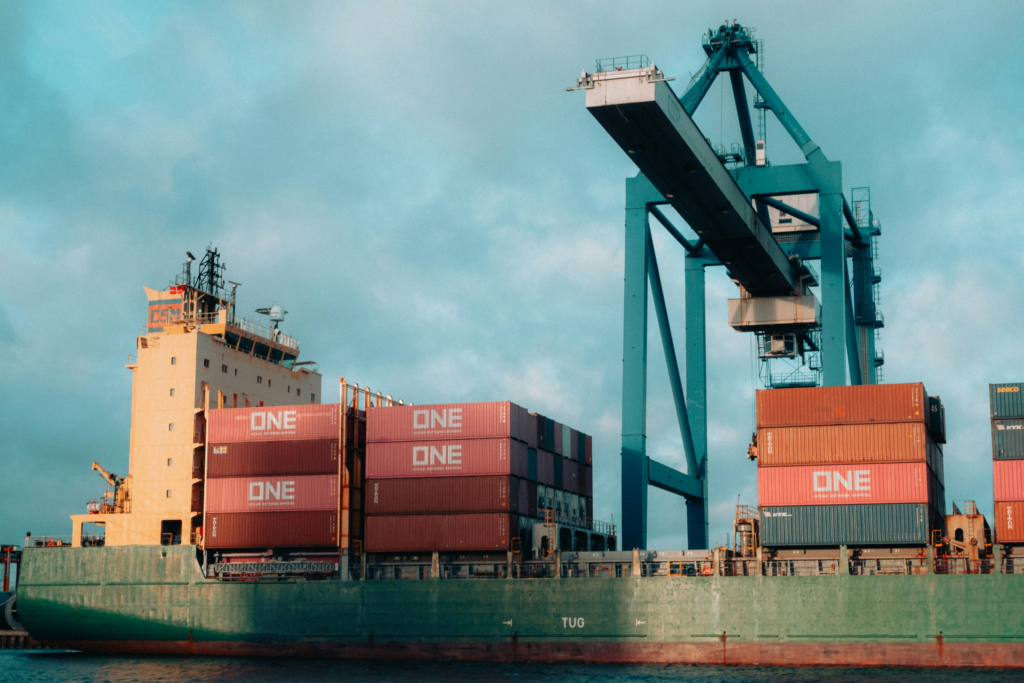
Global trade sounds exciting until businesses actually have to manage it daily. Customs documentation, freight coordination, changing regulations, and fluctuating shipping timelines can quickly become overwhelming, especially for growing companies expanding internationally. Hobbs Global stands out because it helps simplify that complexity through integrated logistics and supply chain support. Instead of forcing businesses to coordinate multiple disconnected providers independently, Hobbs Global offers a more centralized approach that helps reduce operational friction. This becomes especially valuable for companies trying to scale efficiently without building massive internal logistics departments from scratch. International supply chains rarely run perfectly, but Hobbs Global aims to make them feel more manageable, organized, and predictable during periods where uncertainty has become common across global shipping industries.
Visibility and Flexibility Have Become Major Priorities
One of the biggest changes in modern supply chain management is the demand for transparency. Businesses no longer want to simply send shipments and hope for updates later. They want visibility into inventory movement, freight status, timelines, and potential disruptions before those issues escalate into larger problems. Hobbs Global appears to recognize this shift clearly. The company emphasizes supply chain coordination and operational support that allows businesses to stay more informed throughout the logistics process. Flexibility has also become incredibly important because supply chains now need to adapt quickly to changing demand, shipping delays, or shifting market conditions. Hobbs Global focuses on creating logistics solutions that can respond to real-world unpredictability rather than relying on rigid systems that struggle when conditions suddenly change.
Hobbs Global Supports More Than Just Large Corporations
There’s often a misconception that advanced logistics support only matters for massive international corporations. In reality, smaller and mid-sized businesses frequently face even greater operational pressure because they have fewer internal resources to absorb delays or inefficiencies. Hobbs Global works across a wide range of supply chain needs, which makes logistics support more accessible for businesses trying to grow sustainably without becoming overwhelmed by operational complexity. That broader accessibility matters because modern e-commerce, wholesale distribution, and international sourcing have pushed even smaller companies into increasingly complicated logistics environments. Hobbs Global helps bridge the gap between ambitious business growth and the infrastructure required to support it effectively.
Supply Chains Will Never Be Completely Stress-Free

Even the strongest logistics providers cannot fully eliminate the realities of global shipping. Weather disruptions, port congestion, geopolitical changes, and fluctuating freight costs remain part of international supply chain operations. Businesses working with Hobbs Global still need to plan strategically and stay adaptable when market conditions shift unexpectedly. Logistics is ultimately an industry built around problem-solving rather than perfection. What companies like Hobbs Global can do, however, is reduce unnecessary inefficiencies, improve coordination, and create systems that respond faster when challenges appear. That operational stability becomes incredibly valuable during periods where supply chain disruption can directly affect customer satisfaction, inventory management, and revenue performance.
The Businesses Winning Today Usually Have Strong Logistics Behind Them
Customers may focus on products, branding, or pricing, but behind nearly every successful modern business is a supply chain that actually works. That’s why logistics companies like Hobbs Global have become increasingly important in competitive markets where speed, reliability, and adaptability matter more than ever. Hobbs Global approaches logistics as a long-term operational partnership rather than a simple shipping transaction, helping businesses navigate increasingly demanding supply chain environments with greater confidence. Companies looking for more visibility, better coordination, and scalable logistics support will likely appreciate this broader approach. Because in modern business, supply chains are no longer just part of the operation, they often determine how smoothly the entire operation survives.