


We’ve all been there. You’re past airport security, you’ve got an hour before your flight, and you realise you forgot a phone charger. You walk into the bright, familiar blue sign of W.H. Smith, grab a charger, a bottle of water, and a magazine, and wince at the checkout. The “travel tax” is a well-known frustration, and this brand is its most famous face.
But here’s the thing. Judging W.H. Smith by its airport prices is like judging a car by its horn. It’s only one part of the story. The W.H. Smith on your local High Street is a completely different animal, a reliable, nostalgic hub for stationery, books, and back-to-school essentials. The brand is a tale of two completely different experiences, and the secret to getting value from this British institution is knowing which store to use for what.
What to Buy and Where
- The High Street Store: This is your destination for “planned” purchases. It’s the undisputed champion of Back to School supplies, high-quality stationery, diaries, and calendars.
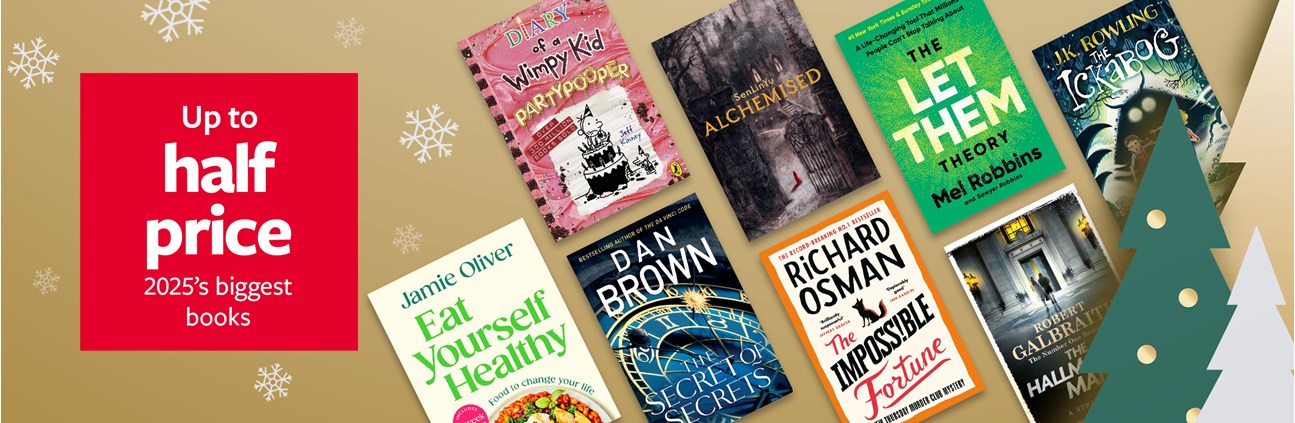
- Books & Magazines: The High Street store still boasts one of the best magazine racks in the country and is a powerful force in book charts, thanks to promotions like the “Richard & Judy Book Club.”
- The Travel Store: This is for “distress” purchases. This is where you grab that forgotten travel adaptor, neck pillow, or last-minute souvenir. Convenience is the product you’re buying, not the item itself.
- The Meal Deal: A reliable staple of the Travel store. It’s a simple, cost-effective way to grab a sandwich, snack, and drink before you board, and it’s almost always cheaper than buying on the plane
The Two Faces of a British Icon
The W.H. Smith on your High Street is a pillar of British retail. It’s quiet, familiar, and smells of paper and print. It’s a place for browsing. You go there to methodically work through a school supplies list, to pick out a quality Parker pen for a gift, or to spend 20 minutes finding the perfect birthday card. It often houses the local Post Office, cementing its role as a community hub. The pricing is competitive, and the range of stationery is, frankly, unmatched.
The Travel store, found in airports and train stations, is the chaotic alter-ego. It’s not for browsing; it’s a high-speed “grab-and-go” mission. The aisles are narrow, the lights are bright, and the inventory is laser-focused on the immediate needs of a traveller. Here, you’ll find a wall of sandwiches, a small selection of best-selling paperbacks, and a whole lot of travel-sized toiletries. The prices are high, but they reflect the astronomical rent of the location and the pure convenience of being in the right place at the right time.
The High Street: A Stationery Lover’s Paradise
Let’s focus on the High Street store, because it’s where the brand’s true value lies. This is, and always has been, the king of stationery. While supermarkets offer a few basic biros, W.H. Smith offers a “good, better, best” strategy. You can get a 50p exam pen, a colourful set of high-end gel pens, or a premium leather-bound journal.
This is most evident during the “Back to School” season, which is their equivalent of Christmas. They build entire worlds of matching ring binders, pencil cases, and notebooks, making a dull task feel exciting for kids. For adults, their range of diaries, calendars, and professional office supplies is second to none. It’s a reliable, tangible experience that online shopping can’t quite replicate.
The other great strength is its heritage in print. The book section is curated, not just algorithm-driven. The “Richard & Judy Book Club” sticker is still one of the most powerful marketing tools in publishing, capable of creating a best-seller overnight. And for magazine lovers, their selection is a national treasure, catering to every niche hobby from model railways and gardening to specialist art and design journals.
Decoding the “Travel Tax”

Now, for the elephant in the room: the airport store. You are a captive audience, and the prices reflect that. Complaining about the cost of a Coke at an airport W.H. Smith is like complaining about the cost of a beer in a stadium. You’re not paying for the item; you’re paying for the access.
A savvy shopper knows what to buy here. The “forgotten essentials” wall is a lifesaver. That travel plug, paracetamol, or neck pillow is worth the extra cost when the alternative is a 10-hour flight without it. The Meal Deal is also a smart, tactical purchase. It offers a clear, fixed price for a decent lunch, which is a blessing compared to the vague, high-priced, and often poor-quality food offered on many airlines.
The key is to separate your “planned” and “panic” purchases. You buy your 10-pack of pens on the High Street. You buy your single, life-saving pen at the train station when you’ve forgotten one on the way to a meeting.
A Reliable Staple, If You Know How to Use It
W.H. Smith has survived for over 200 years not by being the cheapest, but by being the most reliable and the most convenient. It has brilliantly segmented its business to serve two entirely different customers with two different sets of needs. The High Street store is a dependable, high-quality resource for home, school, and office life. The Travel store is a fast, efficient solution for the immediate needs of a person in transit.
The real “pro tip” might be their website, which blends the best of both worlds. You get the comprehensive stationery and book selection of the High Street, but with the convenience of home delivery. You can pre-order the next big novel or stock up on printer paper without leaving your house. It’s the third, and perhaps most powerful, piece of this iconic brand’s puzzle.