


It’s the best feeling in a renovation. The last piece of beautiful new flooring has been laid. The LVT is gleaming, or the new carpet is soft and plush. The job is finally done. Or is it? You stand back and look at the stairs, and something feels… unfinished.
You see the exposed, sharp edge of the LVT. You see the raw edge of the carpet, just waiting to be snagged and start fraying. This is the “gotcha” moment where a great DIY job can turn into an amateur-looking mess.
This is where a proper stair nosing isn’t just a “trim”; it’s a non-negotiable component that professionals plan from the start. It’s the single biggest difference between a job that looks good, and a job that lasts. It’s a specialist part, which is why a specialist supplier like Express Nosings exists.
Choosing the Right Profile for the Job
- Aluminium Stair Nosings: The all-around workhorse. Durable, lightweight, and available in many finishes. This is the go-to for high-traffic homes and commercial areas.
- LVT Nosings: Specifically designed profiles with a “rebate” to match the exact thickness (e.g., 4mm, 5mm) of your Luxury Vinyl Tile, ensuring a flush, trip-free fit.
- Carpet Stair Nosings: These are designed to secure the carpet, with a profile that neatly traps the edge and prevents it from ever pulling loose or fraying.
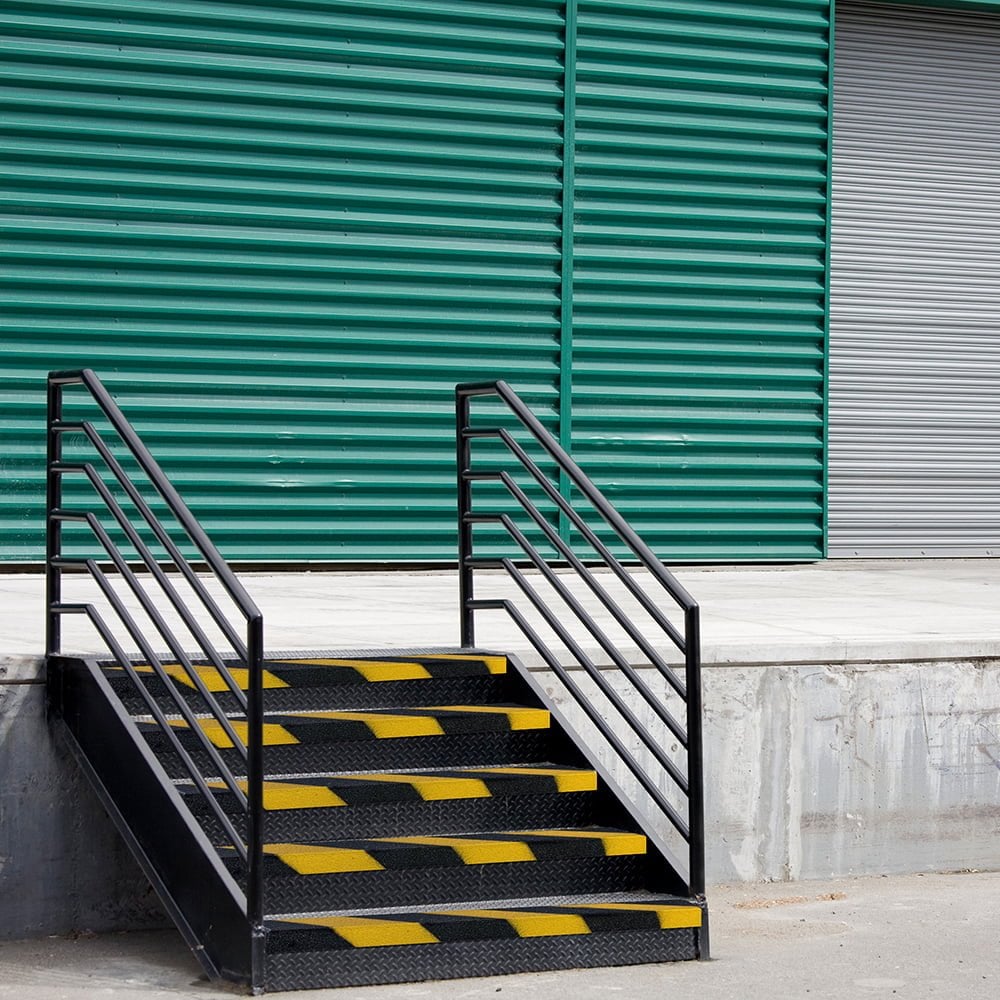
- Anti-Slip & DDA Nosings: High-grip, often high-visibility profiles designed for maximum safety.1 These are essential for commercial properties to comply with safety regulations.
Why Stair Nosing Isn’t Just “Trim,” It’s Essential
There are two non-negotiable jobs a stair nosing does, and “looking nice” is only the second one. The first and most important job is safety. The edge of a step is where most slips and falls happen. A proper nosing, especially one with a PVC or grooved “inlay,” provides a defined, high-friction edge for your foot to grip.2 In a home with kids, elderly relatives, or just people in socks, it’s the single most important safety feature on a staircase.
The second job is protection. You just spent a small fortune on new LVT, laminate, or carpet. The stair edge is the single highest point of impact on that entire installation. Without a nosing, the edge of that beautiful LVT will get chipped. That new carpet will get crushed and start to fray within months. A nosing acts as a shield, absorbing the impact and locking the floor covering in place, protecting your investment for years.3
The Pro’s Secret: Matching the Nosing to the Floor

Here is the number one mistake amateurs make: they go to a big-box DIY store and buy a generic, “one-size-fits-all” stair trim. They get it home, stick it on, and it looks awful. It either sits too high above the flooring (creating a new trip hazard) or has a gap underneath it that collects dust and looks unfinished.
A professional fitter knows the secret: the nosing profile must match the thickness of the floor covering. LVT, for example, comes in specific thicknesses like 4mm, 5mm, or 6.5mm. You need to buy a nosing profile with a “rebate” or “inlay” channel that matches this. This creates a perfectly flush, seamless transition from the tread to the nosing. This is why specialist suppliers like Express Nosings are critical; they don’t just sell “a nosing,” they sell the correct nosing for LVT, for carpet tile, or for vinyl.
The material matters, too. Aluminium is the all-around workhorse, perfect for high-traffic homes and commercial spaces due to its durability.4 Brass offers a beautiful, high-end “heritage” look for more traditional properties.5 PVC is a cost-effective, high-visibility, and high-grip option often used to meet safety compliance standards.
A Quick Guide to DIY Installation: Drill or Stick?
When you’ve chosen your profile, you have one more major decision: how to attach it. You’ll generally see two options: “pre-drilled” (for screws) or “un-drilled” (for adhesive).
The “drilled” method is the traditional, belt-and-braces approach. The nosings come with pre-drilled holes. You place it, mark your holes, drill the sub-stair (using plugs for concrete or just piloting for wood), and screw it down. This provides the most robust, heavy-duty fixing imaginable. If you have thick carpet or very high traffic, this is the method to use.
The “un-drilled” or “stick-fit” method is the modern choice for a clean, minimalist look, especially with LVT. You buy a plain profile and fit it using a very strong construction adhesive. The benefit is obvious: no visible screws. However, this method is only as strong as the glue and the surface. Your stair must be perfectly clean, level, and dust-free for the adhesive to bond properly.
The “Express” Part of the Equation

If you’re a tradesperson, you know the ultimate frustration: a £10,000 job being held up by a £10 part. A commercial fitter can’t get a building signed off by an inspector until the high-visibility, DDA-compliant nosings are installed. A homeowner can’t let their kids use the stairs safely until the edges are finished.
This is where the “Express” in the name becomes so important. A specialist supplier isn’t just about selection; it’s about service. They hold the inventory. They understand that you need a specific profile, with a specific inlay, cut to a specific length, and you need it this week, not in a month.
This is the value of a pro supplier. They provide flexibility, offering stock lengths (like 3m) that a builder can cut to size on-site, or often “cut-to-measure” services for the DIYer who wants it ready to fit right out of the box. That speed and reliability are what separate the pros from the amateurs.
The Finishing Touch That’s Not Optional
It’s tempting to see a stair nosing as an “extra,” an optional bit of trim you add on if you feel like it. This is a fundamental mistake. It is an essential, hard-working component for the safety, longevity, and professional finish of your staircase.
It’s the difference between your new flooring looking pristine in five years, or looking chipped, frayed, and worn out in six months. More importantly, it’s the difference between a secure, confident step in your socks and a dangerously slippery hazard.
Don’t let this tiny detail be the one you regret. Before you sign off on your flooring project, make sure you have the right profile for the job. It’s the one part of the renovation you truly can’t afford to get wrong.