


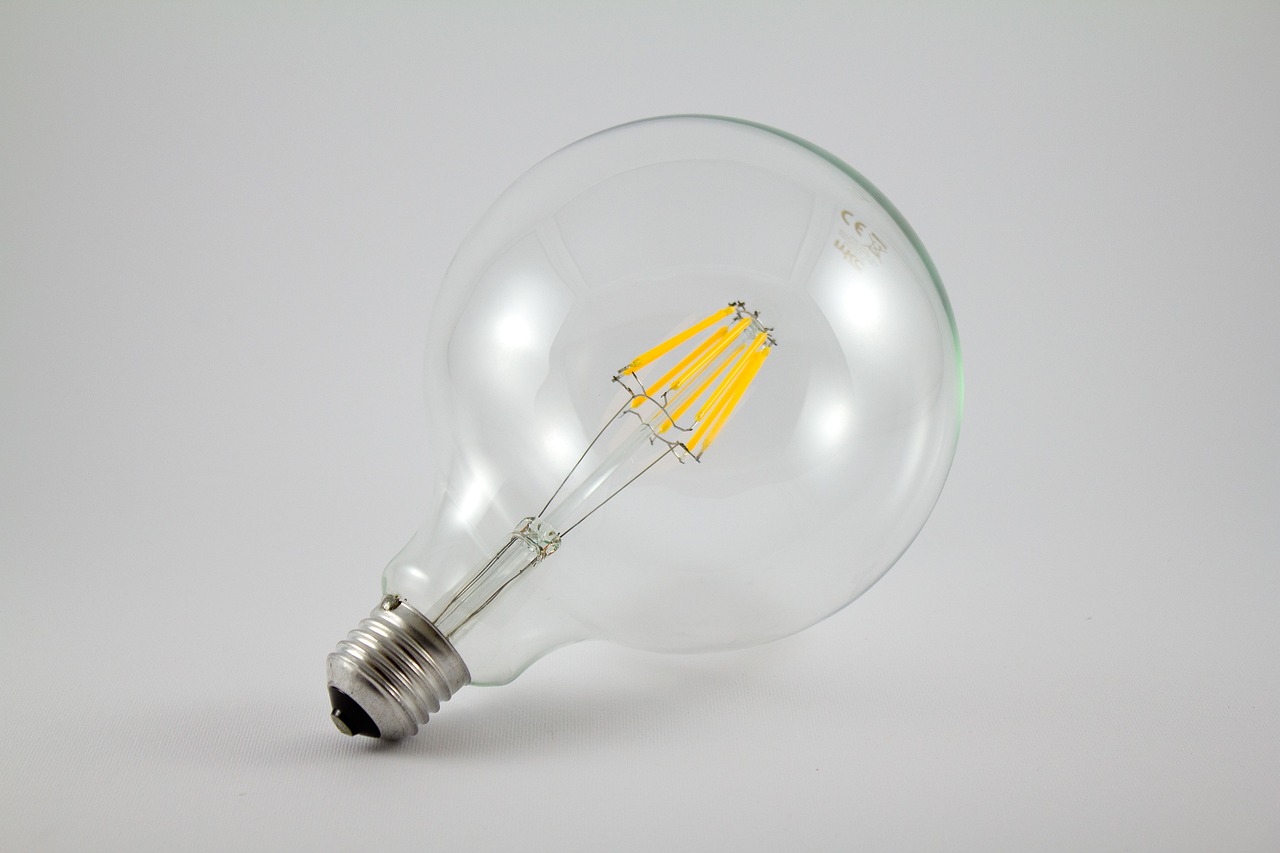
Lighting is one of the easiest ways to reduce household energy use. For many, swapping out old incandescent or halogen bulbs for LEDs has become a practical first step toward lowering bills and cutting carbon footprints. This review explores how LED bulbs deliver efficiency, longevity, and comfort without compromising on style.
TL;DR
- Lower Energy Consumption: LED bulbs use up to 80% less electricity than incandescent bulbs, helping households save money month after month.
- Long Lifespan: Built to last up to 25 times longer than traditional bulbs, LEDs reduce the hassle and cost of frequent replacements.
- Versatile Lighting Options: Available in warm, cool, dimmable, and smart-enabled versions, making it easy to match any room or mood.
- Eco-Friendly Choice: LEDs contain no harmful mercury and require less power, lowering environmental impact.
- Durability and Safety: Designed to stay cooler and withstand more wear, reducing fire risks and breakage compared to fragile glass bulbs.
- Smart Home Integration: Many models connect with apps or voice assistants, letting users customise brightness and schedules effortlessly.
View all LED bulbs and lighting solutions
Why LEDs Outshine Traditional Bulbs
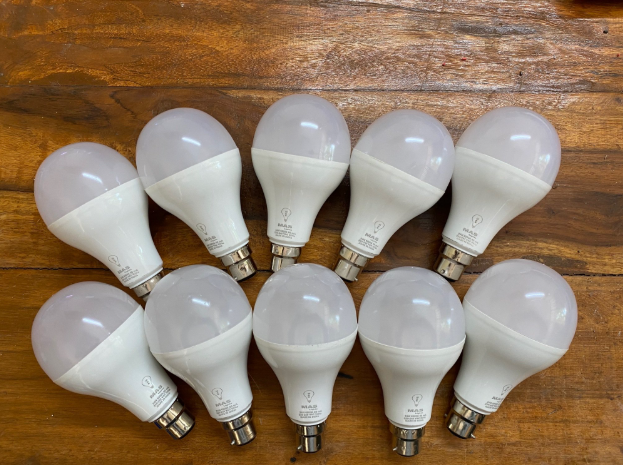
Switching to LED bulbs is more than an upgrade in efficiency. It is also an improvement in comfort and flexibility. Traditional bulbs waste much of their energy as heat, while LEDs convert most of it into light. That means brighter rooms, cooler fixtures, and lower electricity bills.
Customers often notice the difference in lifespan right away. Where a halogen bulb might burn out in under a year, an LED can last for more than a decade under typical use. This makes LEDs not just cheaper over time, but also more convenient.
Everyday Lighting With Flexible Options
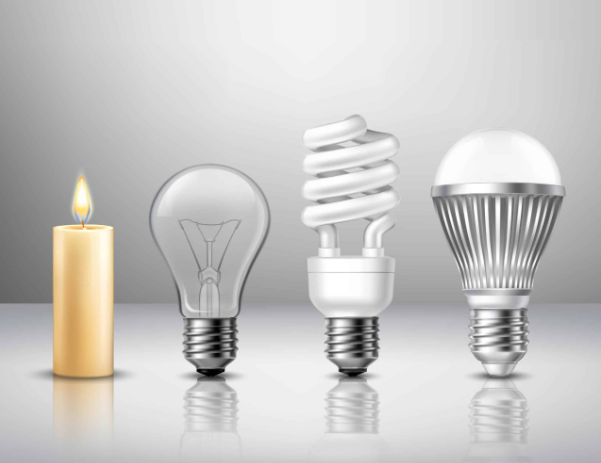
LED bulbs come in a wide range of styles, making it easy to replace old fittings without compromising on look or function. Warm white LEDs can mimic the cosy glow of traditional bulbs, while cooler tones work well in kitchens, offices, or bathrooms.
Dimmable options add control to living spaces, while smart-enabled LEDs allow users to adjust colour and brightness from a phone or through voice commands. This adaptability makes LEDs suitable for both practical and decorative purposes.
Savings That Add Up
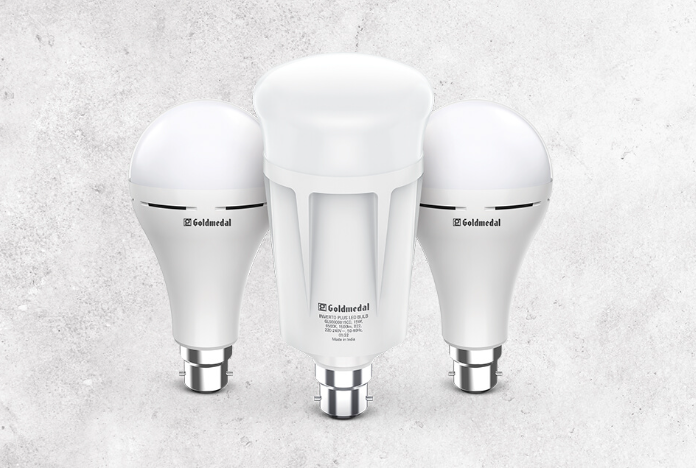
The appeal of LED bulbs lies partly in their ability to cut costs. Using significantly less energy, they reduce electricity bills in a way that becomes noticeable over months. For larger households or businesses, the savings scale even higher.
Beyond cost, the reduced frequency of replacements also contributes to overall value. Investing in a bulb that lasts for years means fewer trips to the store and less waste in landfills.
Sustainability Benefits For Modern Homes
Environmental impact is a key reason many consumers make the switch. Unlike compact fluorescents, LEDs contain no mercury, making disposal safer. Their lower energy demand also translates directly into reduced carbon emissions, especially when multiplied across millions of homes.
Choosing LED bulbs is therefore not only a personal saving choice but also a step toward broader sustainability goals. It is a small change with measurable impact.
Final Thoughts On LED Bulbs
LED bulbs combine efficiency, versatility, and sustainability in a way that older lighting technologies cannot match. They save money, last longer, and offer more design flexibility for every room in the house.
For households, businesses, and anyone looking to make a simple change with long-term benefits, switching to LEDs remains one of the easiest and most effective upgrades available today.