



Leaving prison can feel like standing at the edge of an unknown world—hope mixed with uncertainty. For many, the barriers are high: stigma, limited opportunities, and the challenge of rebuilding trust. That’s where StandOut steps in. This UK charity is devoted to guiding people from prison to purposeful lives, offering coaching, mentorship, and ongoing support that makes real change possible. More than a programme, StandOut is a community that believes in second chances.
TL;DR
- Who they are: StandOut is a UK-based charity supporting people during and after prison through coaching, mentoring, and practical assistance.
- Why they matter: Their model ensures support continues long after release, with proven impact on employment and reducing reoffending.
- Who it’s for: Prison leavers determined to build better futures, employers seeking responsible hiring, and volunteers who want to make a difference.
- What stands out: Participants are twice as likely to remain out of prison after 12 months and three times more likely to be employed compared to national averages.
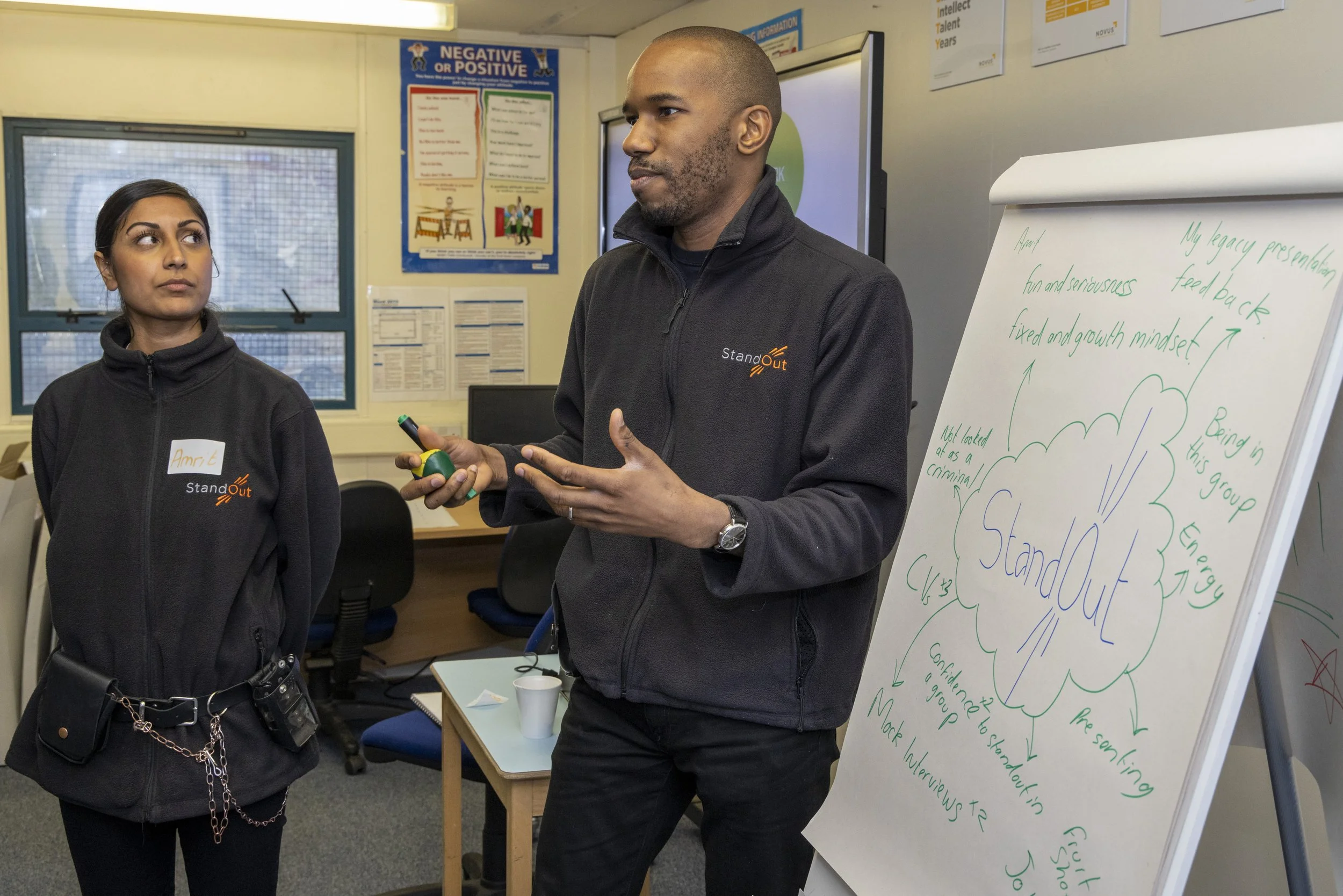
A Holistic Approach to Rehabilitation
Coaching Inside Prison
The journey begins before release. StandOut coaches build confidence, teach interview skills, and help participants prepare for life outside. This focus on self-belief ensures people leave prison with a plan—and the tools to follow it.
Long-Term Support After Release
Unlike many programmes that end at the prison gate, StandOut continues with mentoring, practical guidance on housing and employment, and emotional support. Their ethos: “for as long as someone needs us.”
Employment & Career Pathways
Through their Career Hub, StandOut connects participants with employers who value second chances. This not only provides jobs but restores dignity and self-worth.
Peer Mentoring: Experts Beyond Bars
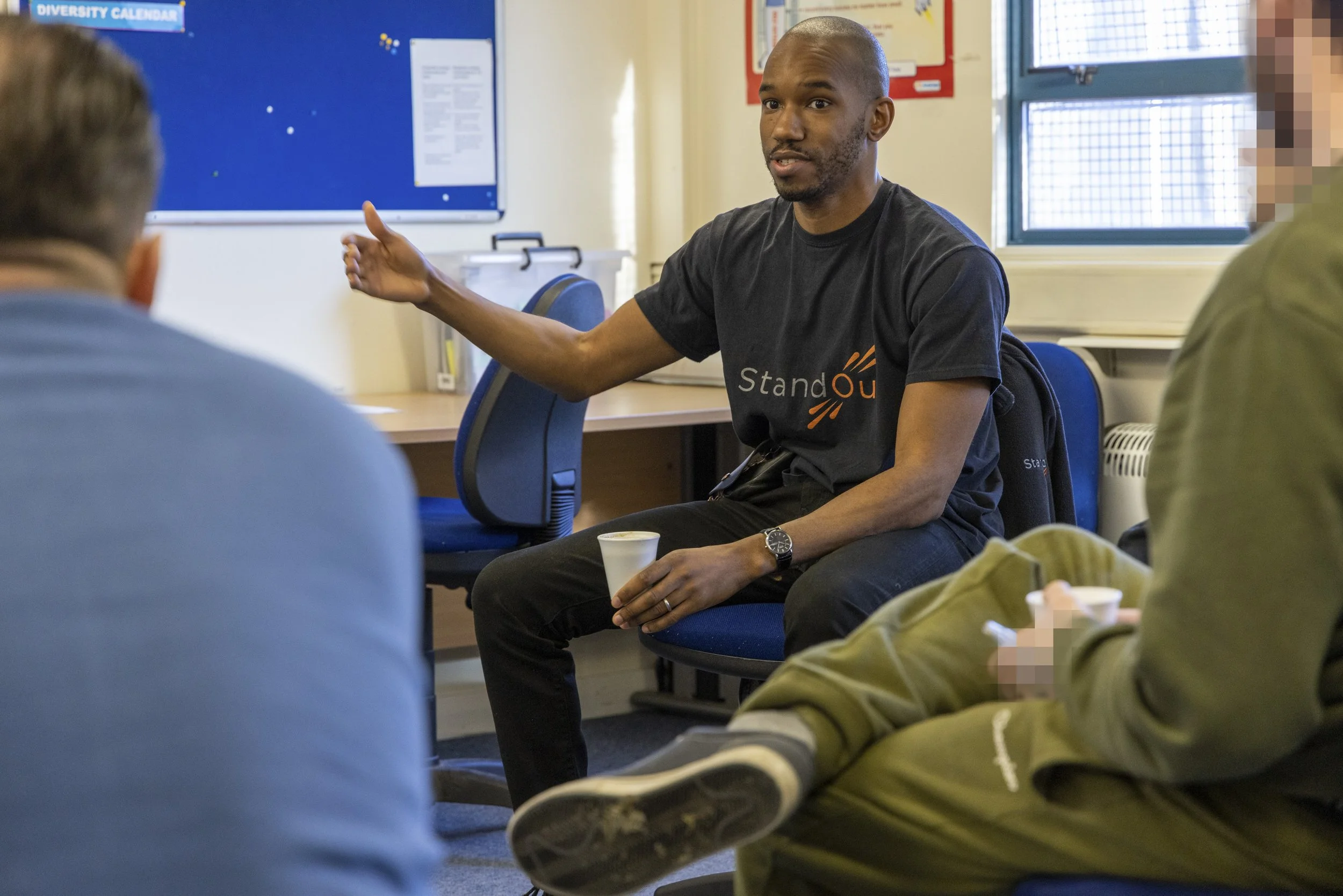
Former participants become role models, sharing their lived experience to inspire and guide others. This peer-led aspect creates authenticity and trust.
The Measurable Impact
- Reduced Reoffending: Participants are twice as likely to stay out of prison for at least a year compared to the national average.
- Employment Success: They are three times more likely to secure a job than the average prison leaver.
- Confidence Restored: Beyond numbers, participants report higher self-belief, resilience, and hope for the future.
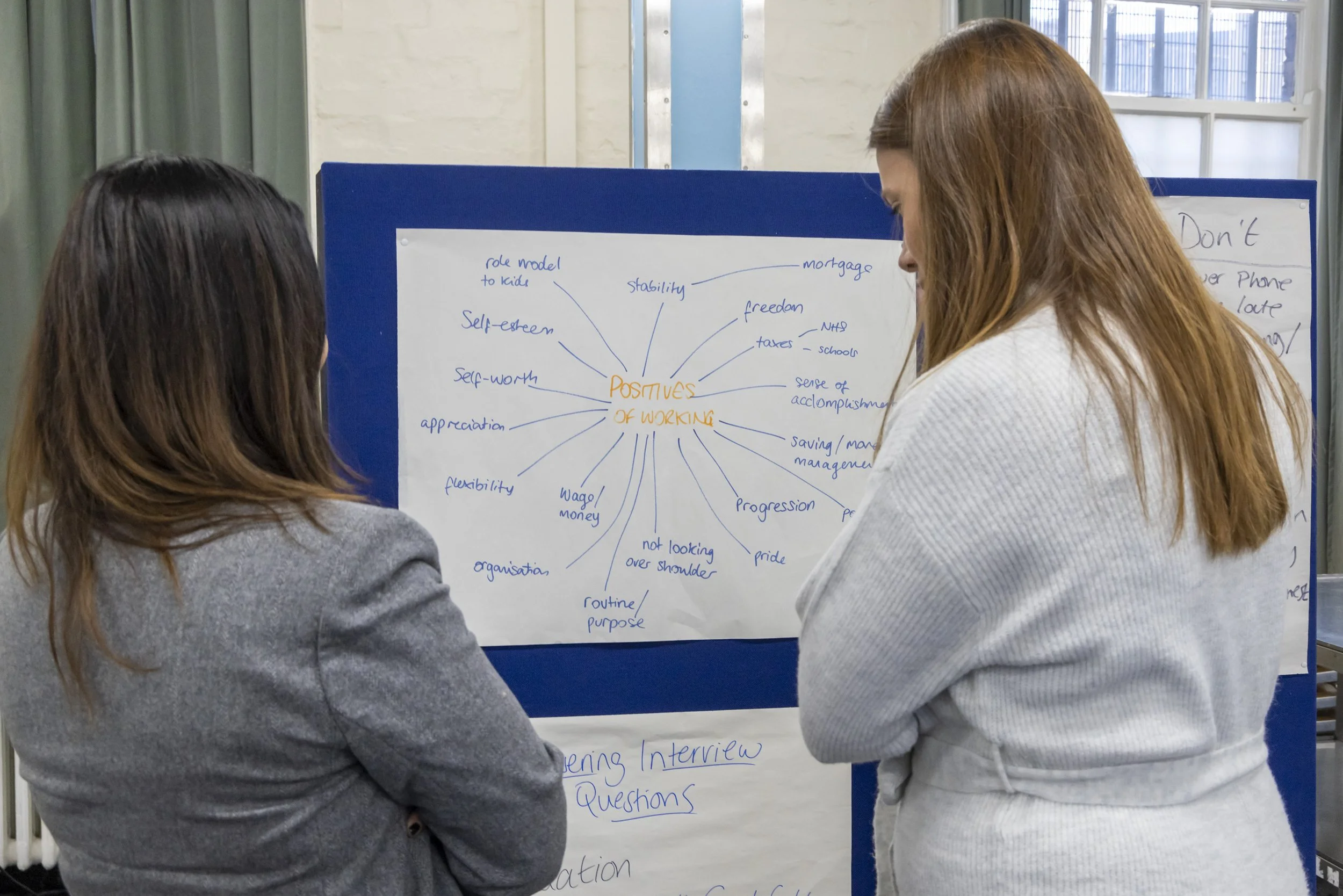
Participant Voices
“StandOut gave me the belief that I could do better. They didn’t do everything for me—they showed me I already had the strength to change my life.”
“The support didn’t stop when I walked out the gates. Knowing someone had my back gave me the courage to keep going.”
“Through the Career Hub, I landed a job within months of release. It felt like a new start.”
These stories highlight StandOut’s real achievement: turning second chances into success stories.
How to Get Involved
- Employers: Partner with StandOut to provide work placements and jobs.
- Volunteers: Share time and skills as coaches, mentors, or supporters.
- Donors: Contribute financially to ensure long-term sustainability.
- Advocates: Spread awareness to break down stigma around prison leavers.
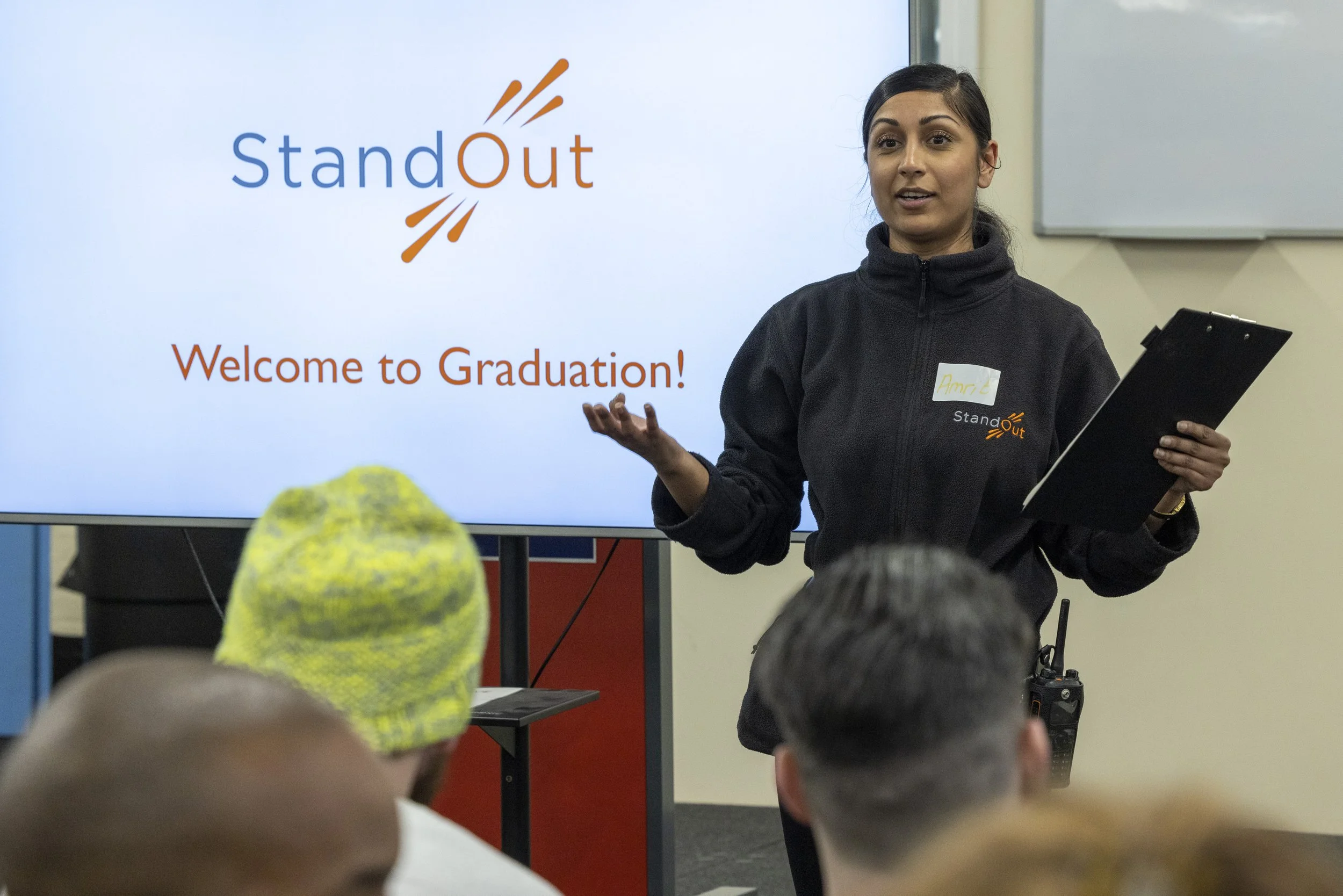
Bottom Line
StandOut is not just about rehabilitation—it’s about transformation. By combining coaching, compassion, and long-term commitment, they prove that second chances aren’t just possible—they’re powerful. Each life changed ripples out to families, workplaces, and communities.
StandOut—because everyone deserves the chance to write a new chapter.

FAQs
Q: Who does StandOut support?
A: People preparing to leave prison and those recently released, offering continuous coaching and mentorship.
Q: How long does support last?
A: There’s no fixed time limit—StandOut remains a resource for as long as someone needs it.
Q: How is the programme different from others?
A: It combines in-prison coaching with long-term aftercare, bridging the gap where many services stop.
Q: What role do employers play?
A: Employers can offer job opportunities, training, and placements, helping participants reintegrate into society.
Q: How is StandOut funded?
A: Through donations, grants, and partnerships, ensuring the programme remains accessible and impactful.
Q: Can former participants become mentors?
A: Yes—through initiatives like “Experts Beyond Bars,” those with lived experience guide others on their journey.