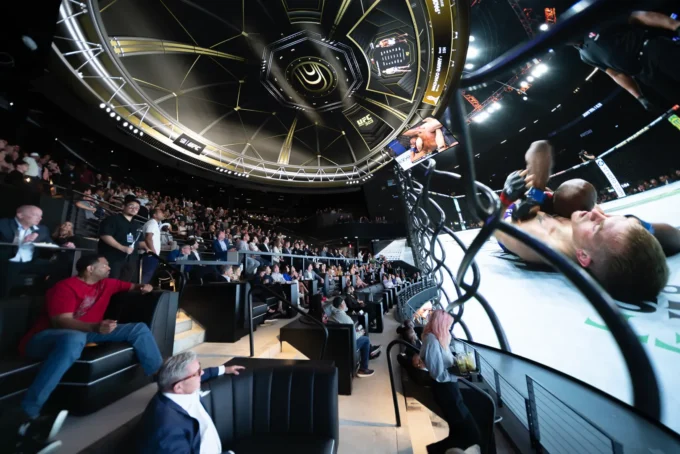


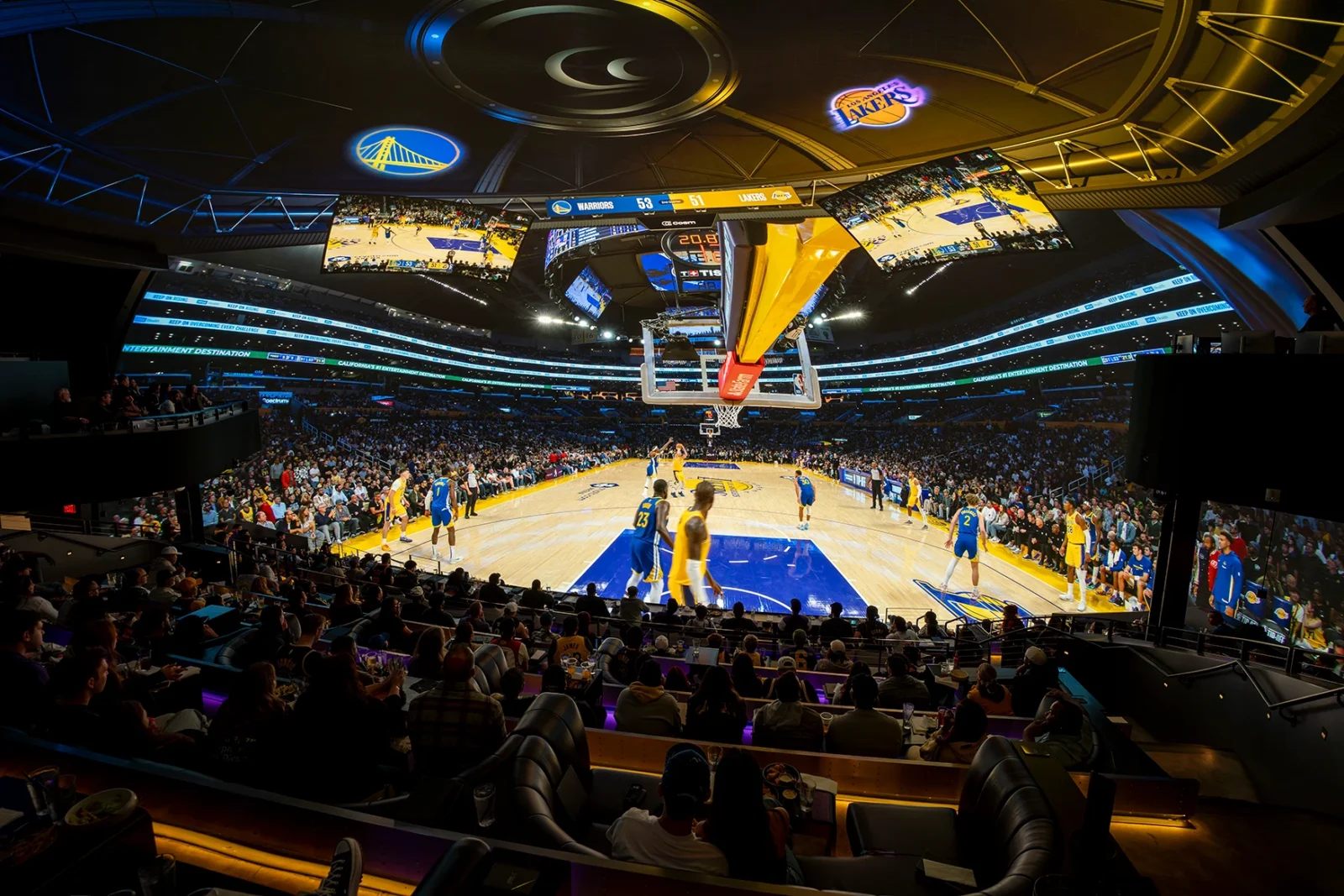
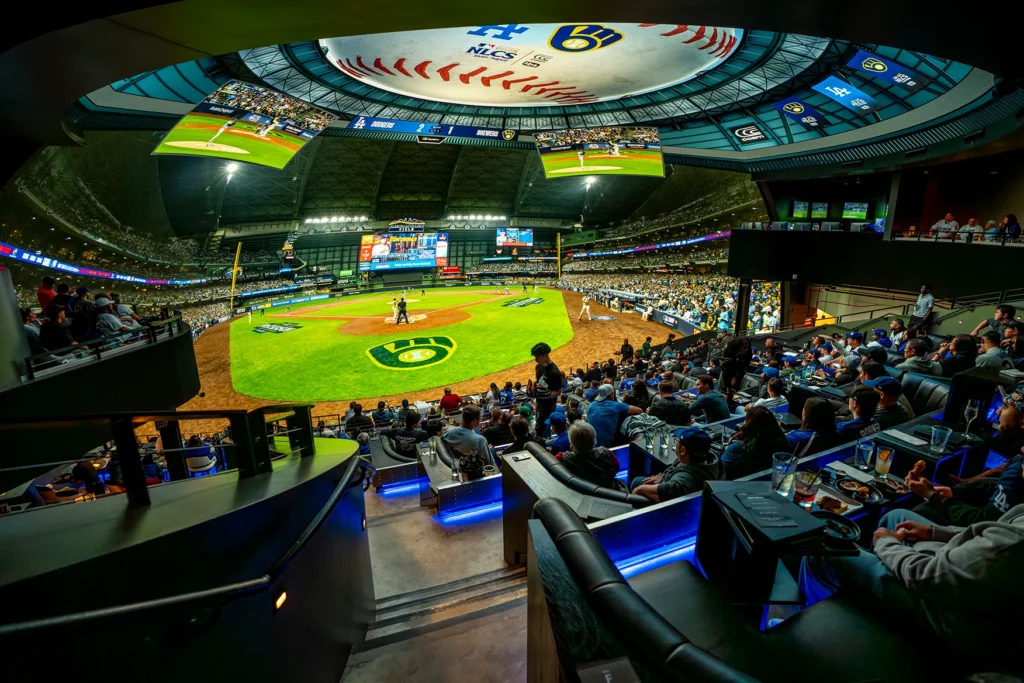
Virtual reality has promised immersion for decades, but most experiences still feel like watching a screen strapped to your face. cosm.com breaks that barrier entirely. This isn’t a gaming platform pretending to be sophisticated. It’s architectural technology that transforms ordinary spaces into portals to other worlds, designed for audiences who want transcendence rather than spectacle. The platform represents a fundamental shift in how humans can experience presence in digital spaces. For the first time, virtual immersion becomes genuinely indistinguishable from physical reality.
The Architecture of Immersive Presence
Traditional VR confines you to whatever your headset renders. The platform constructs entire environments that acknowledge the full spectrum of human sensation. The visual rendering captures depth, perspective and scale with unprecedented fidelity. But more importantly, the spatial audio creates a three-dimensional soundscape that your brain accepts as real. Your body doesn’t distinguish between actual and virtual space when the sensory inputs align properly. Every architectural detail, every acoustic property, every spatial relationship has been engineered to collapse the boundary between physical and digital experience.
The technology uses spatial computing to map your physical movements into the virtual space with sub-millimeter accuracy. Move forward and the environment responds to your actual position and trajectory instantly. Reach out to touch an object and the haptic feedback system delivers contact sensation that your nervous system accepts as genuine touch. Your proprioception, your body’s sense of where it exists in space, doesn’t resist the experience. Instead, it integrates seamlessly with the digital world. This is neurologically sophisticated design, not just technical wizardry pretending at immersion. The brain accepts what it perceives because all the sensory channels align.
Social Presence in Fully Realized Spaces
The isolation of VR has always been its weakness. You’re alone in your headset, regardless of how many other users exist in the same digital space. cosm.com solved this by making other people’s presence felt as real as your own. Avatars don’t just exist in your visual field, they occupy actual spatial positions that your brain processes as physical proximity. You can read body language at distance. You can sense when someone approaches you. You can judge the scale of their movements against the space you share. The spatial relationship to other users becomes information that your mind treats as navigation in physical space.
Social interactions in most VR platforms feel awkward because avatars are crude approximations of human presence. This platform invests in avatar fidelity that preserves the nuances of human communication. Eye contact is possible because eye movement is tracked and rendered with precision that reflects genuine attention. Gestures carry meaning because your hand movements are captured not just in position but in velocity and intention. Speech is spatially localized, so you know exactly where someone is speaking from within the shared space. These subtle elements transform the experience from lonely isolation to genuine social presence. The difference between avatar interactions and real human connection shrinks to nearly nothing.
Metaverse Architecture That Works
The metaverse concept has been marketed as an inevitability, but most implementations feel empty and purposeless. cosm.com builds metaverse spaces that people actually want to inhabit because they serve real human purposes rather than chasing novelty for its own sake. Galleries exist for experiencing art installations that would be impossible in physical space, letting artists create works that exist only in immersive dimensions. Concert venues enable performers to reach global audiences while maintaining the intimacy of live performance that recordings destroy. Classrooms allow students in different continents to gather around the same virtual whiteboard with full spatial awareness of each other’s presence and engagement.
The difference between this approach and competitor platforms is philosophical at its core. Most metaverse companies ask what digital experiences they can create and then search for audiences. The best platforms ask what human activities benefit from being conducted in immersive shared space and then build environments to serve those activities optimally. The answer shapes everything from architecture to social interaction design to economic models. This platform prioritizes activities where presence matters, where being together in a shared space creates value that wouldn’t exist in flat-screen alternatives. That fundamental difference shows in every design decision.
Beyond Gaming Real-World Applications

- Medical training where surgeons practice procedures in anatomically precise virtual environments, building muscle memory without risk to actual patients and enabling global collaboration on complex cases
- Architectural consultation where clients walk through building designs before construction begins, experiencing spatial relationships that 2D renderings never convey and making informed decisions about actual spaces
- Therapeutic environments where individuals with anxiety disorders can gradually expose themselves to challenging situations in controlled, supportable spaces with professional guidance and measurable progress tracking
- Cultural preservation where historical sites can be reconstructed and preserved in perfect detail, accessible to future generations exactly as they were and protected from physical deterioration
- Distributed teams collaborating in shared virtual spaces where physical presence happens to be irrelevant to the quality of interaction and where creative collaboration gains the benefits of spatial awareness
The immersive experiences delivered by cosm.com represent a maturation of virtual reality beyond novelty into genuine infrastructure for human interaction and creation. This is the platform for humans who understand that presence, actual and sensed and experienced presence, fundamentally changes how we learn, create, heal and connect with each other across distances that would otherwise isolate us. The technology finally matches the promise.