


Most of us think we know our bodies because we step on a scale or check our steps on a watch. But let’s be honest that barely scratches the surface. Weight tells you nothing about where fat sits, how muscle is changing, or how well your metabolism is actually functioning. Counting steps doesn’t mean you’re any closer to better long-term health. That’s where Hume Health comes in. It’s a company built on the belief that data is power, and if you can measure it, you can change it.
Instead of throwing vague goals your way “lose a little weight, get in more workouts” they give you tools that measure what’s actually happening inside your body. And once you see the numbers, there’s no unseeing them.
TL;DR
Hume Health builds tech that helps you track what really matters: body composition, metabolic health, and even aging markers. It sells hardware like the Body Pod and Longevity Band, paired with an app that interprets the results and gives you practical feedback. You’ll pay more than you would for a basic tracker, but the payoff is information you can actually use.
The Products That Define the Brand
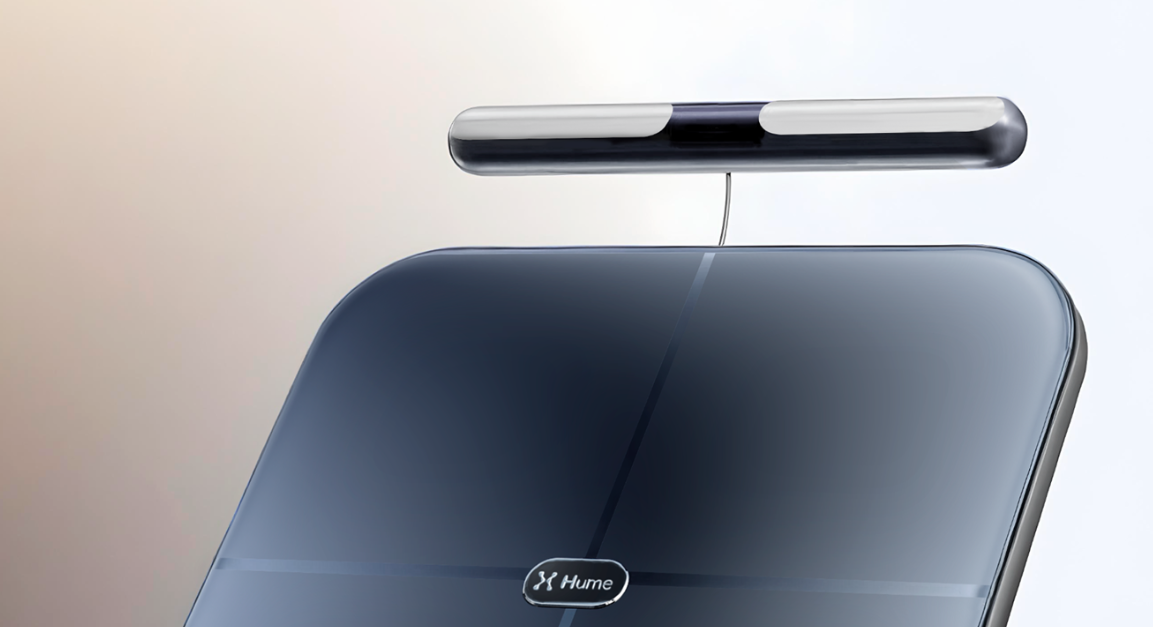
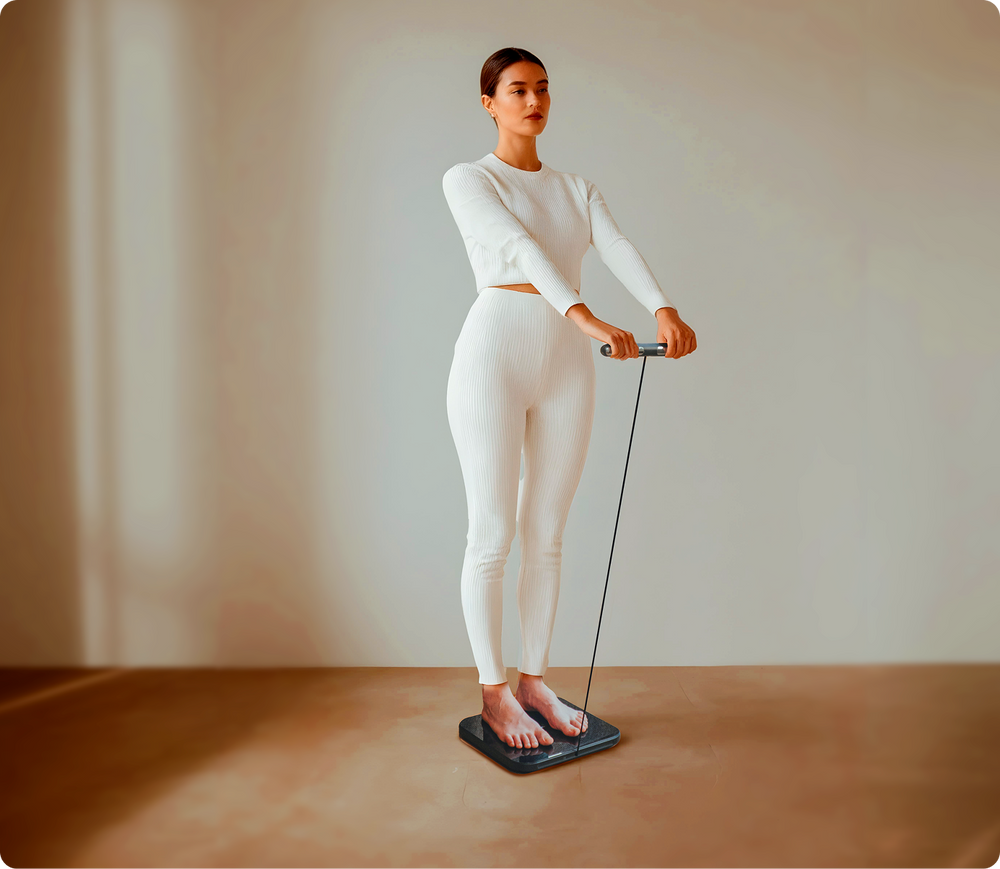
The Body Pod is the flagship piece. At first glance, it looks like a modern take on a scale, but it doesn’t just spit out a number. Instead, it measures body fat distribution, lean mass, and other markers most people have never seen outside a clinic. For anyone frustrated with weight alone, it’s an eye-opener.
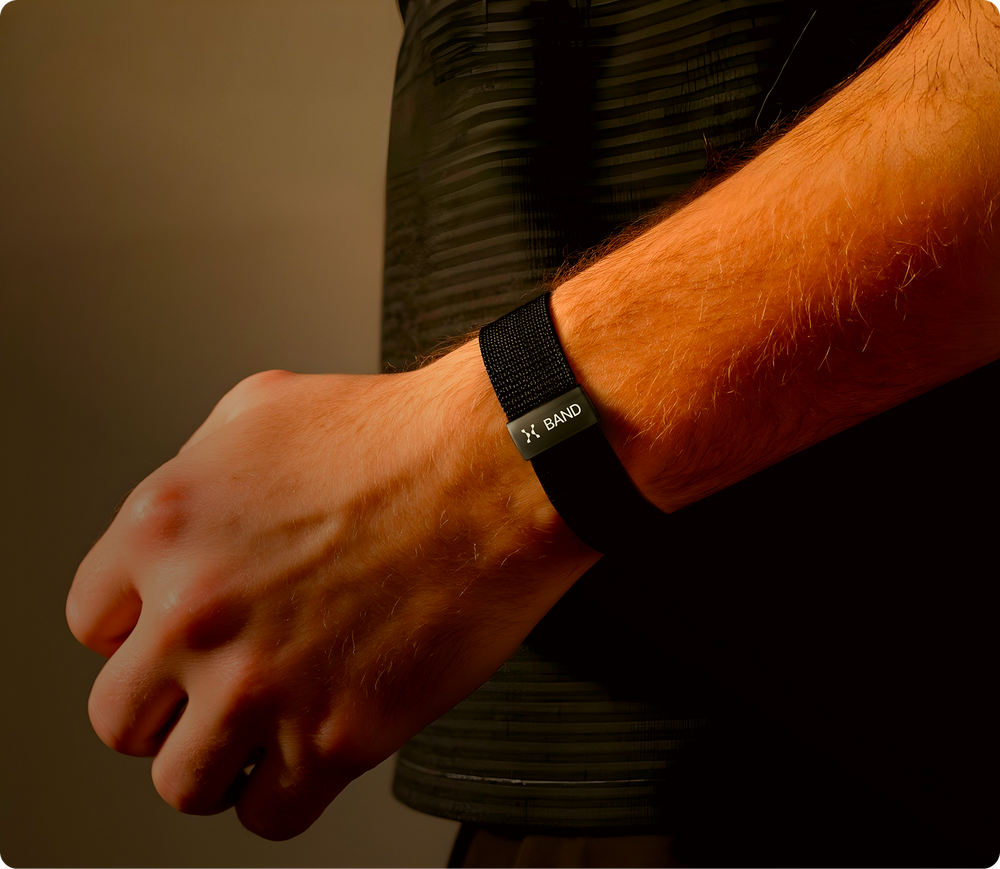
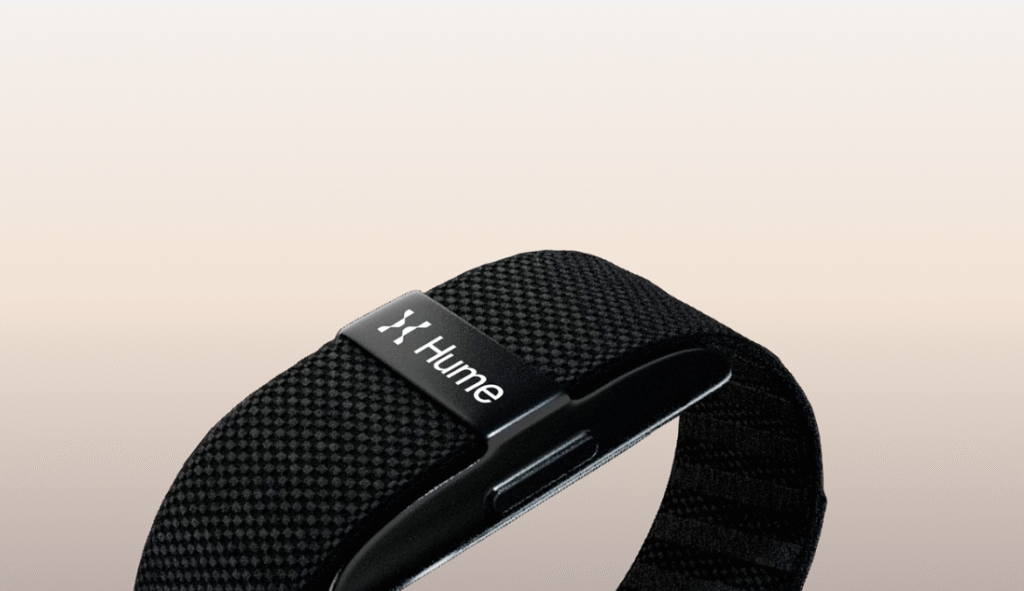
Next up is the Longevity Band, a wearable that takes the idea of a fitness tracker and flips it. Instead of obsessing over steps or calories, the focus here is on biomarkers tied to healthspan the idea of living better for longer, not just living longer. It tracks sleep, recovery, and metrics tied to biological age.
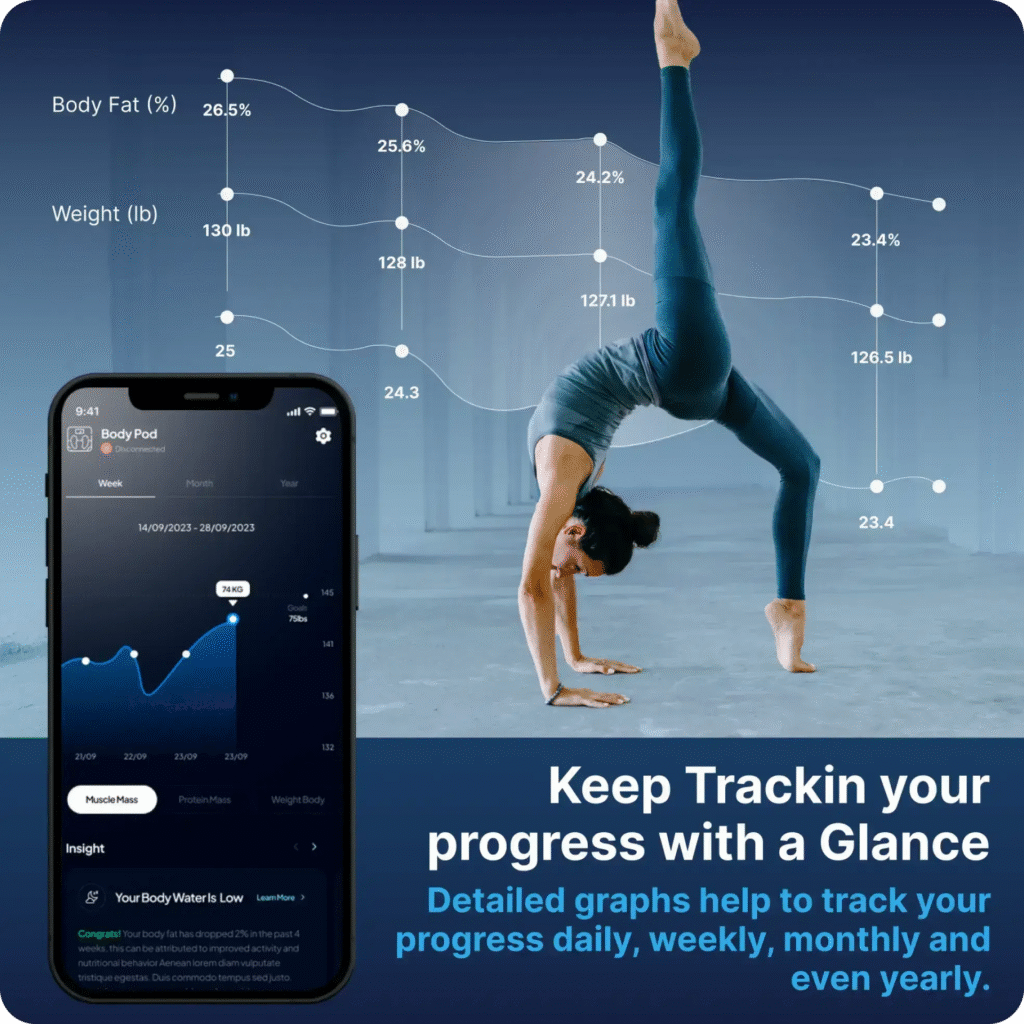
The third piece is the Hume app, which syncs with the devices to give context. Numbers on their own can be overwhelming. The app breaks them down, trends them over time, and suggests areas to improve. Think of it less like a raw data dump and more like a health coach that happens to live in your phone.
What Makes It Different
Plenty of companies promise to help you “get healthier.” Few get specific. Hume’s edge lies in precision. Instead of making you guess whether your workouts are working, the tools show you how body composition is changing. Instead of telling you to sleep more, the band measures how much quality sleep you’re really getting. It shifts health from guesswork to proof.
That makes it appealing not just for athletes but also for regular people who are tired of the same vague health advice. By putting numbers to your habits, the feedback loop becomes obvious. Change your diet, see your metabolic markers shift. Commit to better sleep, watch your recovery improve. It’s not magic it’s measurement.
The Smart Way to Use It
- Pick your priority: Don’t track everything at once. Decide whether you care most about body composition, aging markers, or overall lifestyle habits.
- Stay consistent: Take measurements at the same time of day, under similar conditions. Consistency makes the data more reliable.
- Act on insights: Numbers are useless if you ignore them. When you see a trend, make one small change and track what happens.
- Avoid perfectionism: Expect fluctuations. The value is in long-term patterns, not daily noise.
- Check in weekly: Looking too often can make you obsessive. Weekly reviews show progress without overwhelming you.
Follow those steps, and the system becomes more than just a gadget it turns into an accountability partner.
Who It’s For (and Who It’s Not)
The obvious audience is people who already take health seriously: athletes, biohackers, or anyone who geeks out on data. But the truth is it also works for everyday people who feel stuck. Maybe the scale hasn’t moved in months and you can’t figure out why. Maybe you’re getting older and want to know how your habits are affecting your future. Or maybe you’ve tried every health trend under the sun and want hard proof of what’s actually working.
That said, it’s not for everyone. If you just want to hit 10,000 steps and call it a day, this might feel like overkill. The price point is also higher than a basic tracker, which makes it less appealing if you’re only casually curious. And if you’re the type to get anxious about data, seeing constant metrics might create more stress than it solves.
The Real Value
What makes Hume Health stand out isn’t just the technology it’s the philosophy. Instead of settling for surface-level stats, they dig into the metrics that actually matter for long-term health. They treat aging as something you can track, not just something that happens. They frame health in terms of performance, resilience, and awareness.
The cost feels justified when you consider the alternative: spending years guessing, trying diet after diet, or wasting time on workouts that don’t move the needle. By showing you exactly what’s happening, these tools help you cut through noise and focus on what’s real.
Beyond the Numbers
At the end of the day, Hume is selling more than devices. It’s selling clarity. Clarity about whether your habits are paying off. Clarity about how your body is responding to change. Clarity about where you’re headed if you keep doing what you’re doing.
For some people, that clarity will be life-changing. For others, it might just be a nice confirmation. Either way, it beats guessing. And in health, where every decision compounds over time, guessing less is always a win.